A Strategic Guide to Google Marketing Platform for Digital Growth in 2026
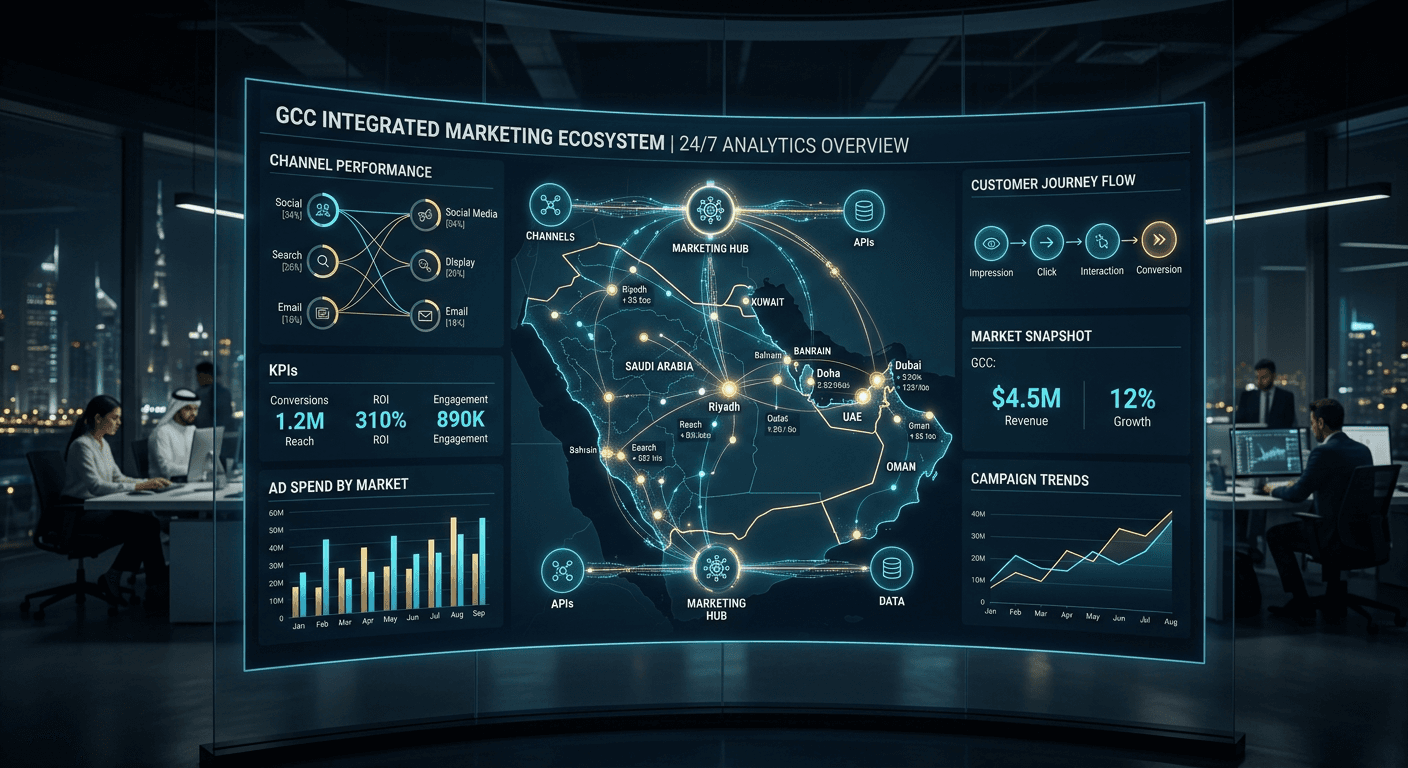
Google Marketing Platform serves as the central nervous system for data-driven advertising and analytics in the modern digital ecosystem. By unifying data from diverse touchpoints into a single, cohesive framework, it enables businesses to move beyond vanity metrics and toward actionable intelligence. For organizations operating in competitive digital markets like the UAE, leveraging these tools is essential for maintaining visibility and improving conversion performance.

Quick Summary
Google Marketing Platform is an integrated suite of advertising and analytics tools designed to manage digital media campaigns and measure audience behavior across multiple channels. It consolidates data for enhanced targeting and reporting.
- Unifies ad serving, campaign management, and user behavior analytics.
- Enables sophisticated audience segmentation and cross-channel attribution.
- Facilitates real-time performance tracking and budget optimization.
- Provides the foundational data layer for effective SEO optimization google initiatives.
Table of Contents
- Understanding the Google Marketing Platform Ecosystem
- Core Components of Google Digital Marketing
- Strategic SEO Optimization Google and Analytics Integration
- Leveraging Advanced Data for Audience Segmentation
- Technical Implementation for Regional Market Success
- Pro Tip: Aligning Metrics with Business Goals
- Comparison of Platform Capabilities
- FAQ
- Recommended Reads
Understanding the Google Marketing Platform Ecosystem
At its core, the platform is designed to break down the silos that often plague marketing departments. Historically, teams managed creative assets, ad spend, and website analytics in disparate environments, leading to fragmented insights. This unified approach allows for a holistic view of the customer journey, from the initial search query to the final conversion.
In the context of the GCC region, where digital consumption patterns evolve rapidly, the ability to centralize data is a significant competitive advantage. By integrating ad-serving data with sophisticated behavior tracking, businesses can see exactly which creative elements resonate with specific demographic segments. This visibility is vital for refining messaging and ensuring that marketing spend is focused on the highest-performing channels.
Core Components of Google Digital Marketing
The suite consists of several interconnected modules that handle different aspects of the digital marketing lifecycle. Analytics tools provide the "what" and the "why" of user behavior, while the advertising modules provide the "where" and "how" to reach those users effectively. Understanding how these pieces fit together is crucial for any enterprise aiming for high-performance marketing.
Pro Tip: Focus on establishing a clean data pipeline between your CRM and your analytics instance. This ensures that offline conversions or regional sales data can be mapped back to online efforts, providing a true picture of return on ad spend (ROAS).
Advanced cross-channel reporting allows marketers to see how different media types influence each other. For instance, a user might engage with a social advertisement, conduct an informational search later in the week, and finally convert through a direct visit. Without an integrated view, this journey would appear as three disconnected events; with a unified platform, it becomes a single, trackable success path.
Strategic SEO Optimization Google and Analytics Integration
Effective seo optimization google strategies depend on precise performance monitoring. By connecting search query data with onsite behavior, businesses can identify which organic keywords are driving the highest quality traffic. This process goes far beyond simple ranking checks; it involves analyzing bounce rates, time-on-page, and goal completion rates associated with specific search terms.
When conducting an seo optimisation google audit, practitioners should look for discrepancies between search volume and engagement. If a page ranks highly for a specific query but fails to convert, the issue may lie in the alignment between user intent and landing page content. Using integrated data allows for a scientific approach to content adjustment, testing variations to see which resonance metrics improve in real time.
Leveraging Advanced Data for Audience Segmentation
Audience segmentation is the primary driver of personalized digital experiences. The platform allows for the creation of complex audience lists based on behavior, such as specific page interactions, purchase history, or even inactivity thresholds. In the UAE market, where the audience is highly diverse, these granular segments are essential for delivering relevant messaging that respects cultural and linguistic preferences.
By pushing these audiences directly into advertising campaigns, businesses can implement "retargeting with intent." Rather than showing the same generic banner ad to every visitor, the system can display specific offers to users who have demonstrated high-intent behaviors, such as visiting a pricing page or downloading a whitepaper. This targeted approach minimizes ad waste and increases the likelihood of conversion.
Technical Implementation for Regional Market Success
For businesses in the UAE, technical performance is just as critical as the data itself. Low latency and reliable tracking are mandatory. When implementing tracking tags and analytics containers, it is vital to ensure that regional privacy standards and local data regulations are strictly followed. A well-architected technical setup provides the foundation for accurate reporting.
Organizations should also consider how edge computing and localized hosting impact the data collection process. By minimizing latency, you ensure that tracking scripts fire reliably, capturing every interaction accurately. This creates a high-fidelity dataset that allows for better AI modeling and more confident strategic decision-making.
Comparison of Platform Capabilities
| Feature | Analytics Module | Advertising Module | Integrated Suite |
|---|---|---|---|
| Data Source | Website/App behavior | Ad performance | Unified cross-channel |
| Primary Focus | User insights | Conversion delivery | Strategic optimization |
| Reporting Depth | Behavioral trends | Spend efficiency | Full-funnel attribution |
| Audience Control | Basic segmentation | Media targeting | Advanced CRM modeling |
FAQ
What is the primary benefit of using an integrated marketing platform? The primary benefit is the elimination of data silos, which allows for consistent attribution, better audience segmentation, and a unified view of the customer journey across all digital channels.
How does SEO optimization Google differ from paid search management? SEO optimization focuses on long-term organic visibility and content relevance, while paid search management focuses on immediate placement through bidding. Both rely on shared data to refine keyword strategy and user experience.
Is the platform suitable for small businesses? Yes, although the complexity of the platform is often utilized by larger enterprises, the fundamental principles of data-driven decision-making and performance tracking apply to businesses of all sizes looking to scale their digital presence.
How can I ensure my data collection is compliant? Compliance involves configuring your tracking implementation to respect user privacy, implementing consent management platforms, and regularly auditing data usage to align with regional legal requirements in the UAE.