Understanding Google Optimization: Essential Tips for 2026
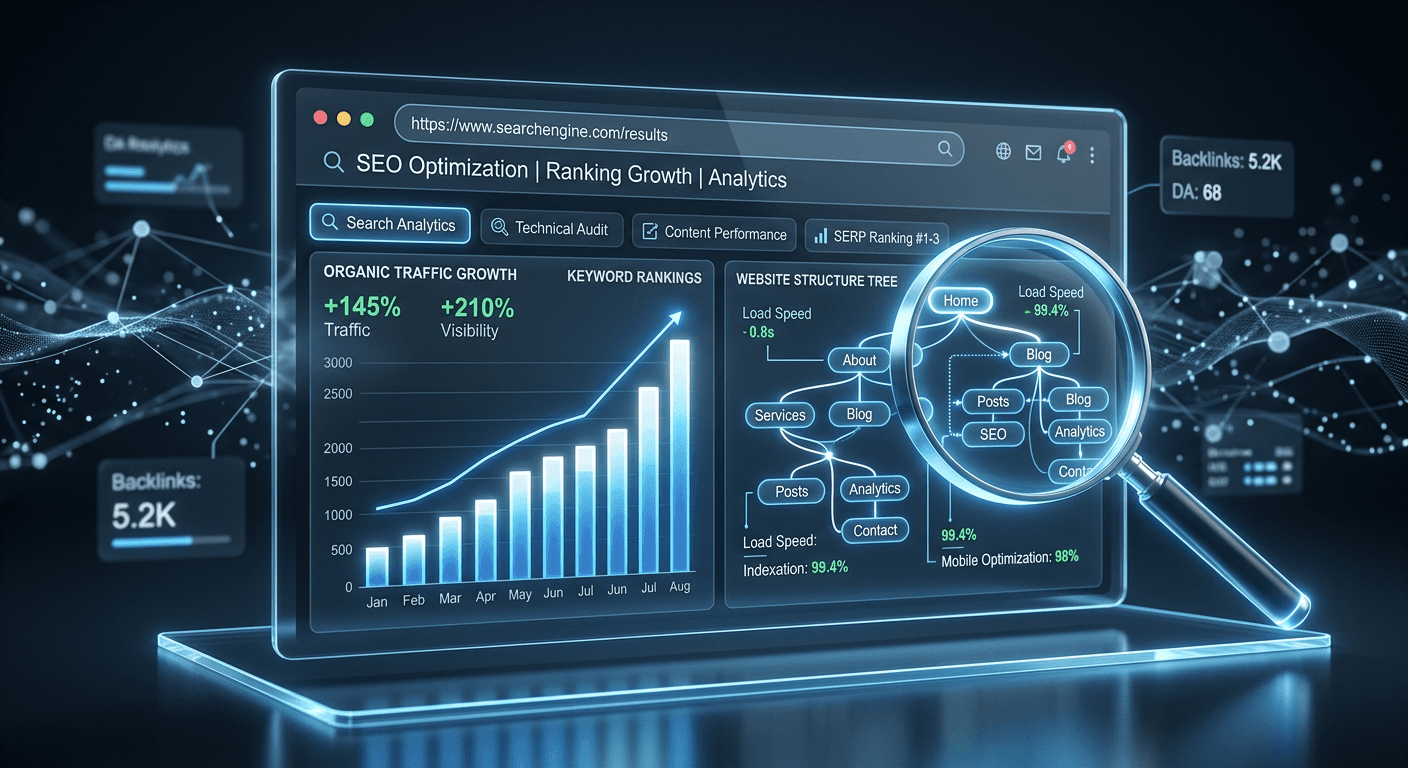
Achieving high visibility through seo optimization google requires a shift from traditional keyword stuffing toward a strategy centered on semantic search and user intent. As we move into 2026, the algorithms driving search engines have evolved to prioritize content depth, authority, and the technical health of a website, making it essential for webmasters to move beyond surface-level tactics.
Quick Summary
Successful seo optimization google involves aligning website architecture, content quality, and technical performance with user search intent. By focusing on entity-based SEO and providing comprehensive answers, you improve your search rankings and visibility.
- Prioritize user intent over simple keyword density.
- Leverage a free seo optimization checker to identify technical bottlenecks.
- Focus on building topical authority through structured, authoritative content.
- Monitor core web vitals as a primary ranking signal.
Table of Contents
- Quick Summary
- The Evolution of Search Intent in 2026
- Technical SEO and Performance Metrics
- Leveraging Tools for Site Audits
- Content Authority and Entity SEO
- Best Practices for Page Optimization
- FAQ
- Recommended Reads

The Evolution of Search Intent in 2026
The modern search landscape has moved past simple query matching into the realm of understanding user context and satisfaction. In 2026, search engines are designed to identify the intent behind a search string, whether it is informational, transactional, or navigational. Attempting to force traffic through outdated keyword strategies often leads to penalties or poor click-through rates because users find that the content does not answer their underlying questions.
To master seo optimisation google, you must analyze the SERP (Search Engine Results Page) landscape for your target terms. Observe what types of media—videos, comparison tables, or long-form guides—are ranking. By mirroring the structure that the search engine has already validated as satisfying for the user, you create a baseline for competitive content. Aligning your strategy with current standards is a core component of effective digital marketing strategies.
Technical SEO and Performance Metrics
Technical health remains the bedrock of any successful digital strategy. Even the most well-written content will struggle to rank if the underlying infrastructure is slow, insecure, or difficult to crawl. Core Web Vitals continue to be a significant ranking factor in 2026, meaning that loading speed, visual stability, and interactivity are no longer optional features but requirements.
Beyond speed, consider the crawl budget and internal linking structure. Search engines must be able to navigate your site efficiently to index your content. Use flat site architectures where important pages are no more than three clicks from the homepage. Ensuring your site follows these standards is essential for improving overall search performance.
Leveraging Tools for Site Audits
Identifying errors before they become site-wide issues is crucial for maintaining rank. Many webmasters rely on a free seo optimization checker to catch common pitfalls such as broken links, missing meta descriptions, or duplicate content. These tools provide a technical snapshot that, when reviewed regularly, prevents the degradation of your search presence.
Pro Tip: Do not treat audit results as a single checklist. Prioritize fixes based on the impact to user experience. A high-priority fix like a slow mobile load time should always take precedence over a minor meta-description character count issue.
When using a seo page checker, look beyond the surface level of meta tags. Modern tools can highlight structural issues, such as improperly nested header tags or schema markup gaps that prevent search engines from understanding the context of your data. Consistent use of these diagnostic tools ensures that your site remains lean and responsive to algorithm updates.
Content Authority and Entity SEO
Authority in 2026 is built through topical depth rather than just backlinks. Entity-based SEO involves identifying the "entities" (people, places, concepts, or things) associated with your topic and creating a comprehensive knowledge graph around them. By covering a subject from every angle, you signal to search engines that your site is a primary source of truth.
To build this authority, focus on creating "hub and spoke" content models. Your pillar pages provide a comprehensive overview of a subject, while sub-pages dive deep into specific aspects of the topic. Linking these pieces together creates a strong thematic cluster that demonstrates expertise to both users and automated crawlers, establishing your brand as a leader in your specific niche.
Best Practices for Page Optimization
Page-level optimization involves more than just keywords. It is about how well a page solves a specific problem. Start by ensuring your H1, H2, and H3 tags are descriptive and provide a clear hierarchy of information. Use descriptive, keyword-rich subheadings to break up content, making it readable for users who scan before they read.
Furthermore, prioritize high-quality media, including original images with proper alt text and descriptive filenames. Search engines use these details to categorize your visual content, which is a major traffic driver in 2026. Reviewing your legal and privacy documentation is also a part of maintaining a professional, trustworthy site structure that algorithms prefer.
FAQ
- How often should I run an audit? You should perform a comprehensive audit at least once per month, with minor checks after any significant site-wide updates.
- Does keyword density still matter? No, keyword density is no longer a ranking factor. Focus instead on natural language usage, LSI keywords, and answering user intent.
- What is the most important ranking factor? While there is no single factor, high-quality, intent-focused content supported by technical stability and site authority is the most consistent path to success.
- Can free tools compete with paid SEO suites? Yes, many free tools are sufficient for site health monitoring, but paid tools often offer deeper competitive analysis and advanced backlink tracking that can give you an edge.