What is artificial intelligence and how does it drive modern business innovation
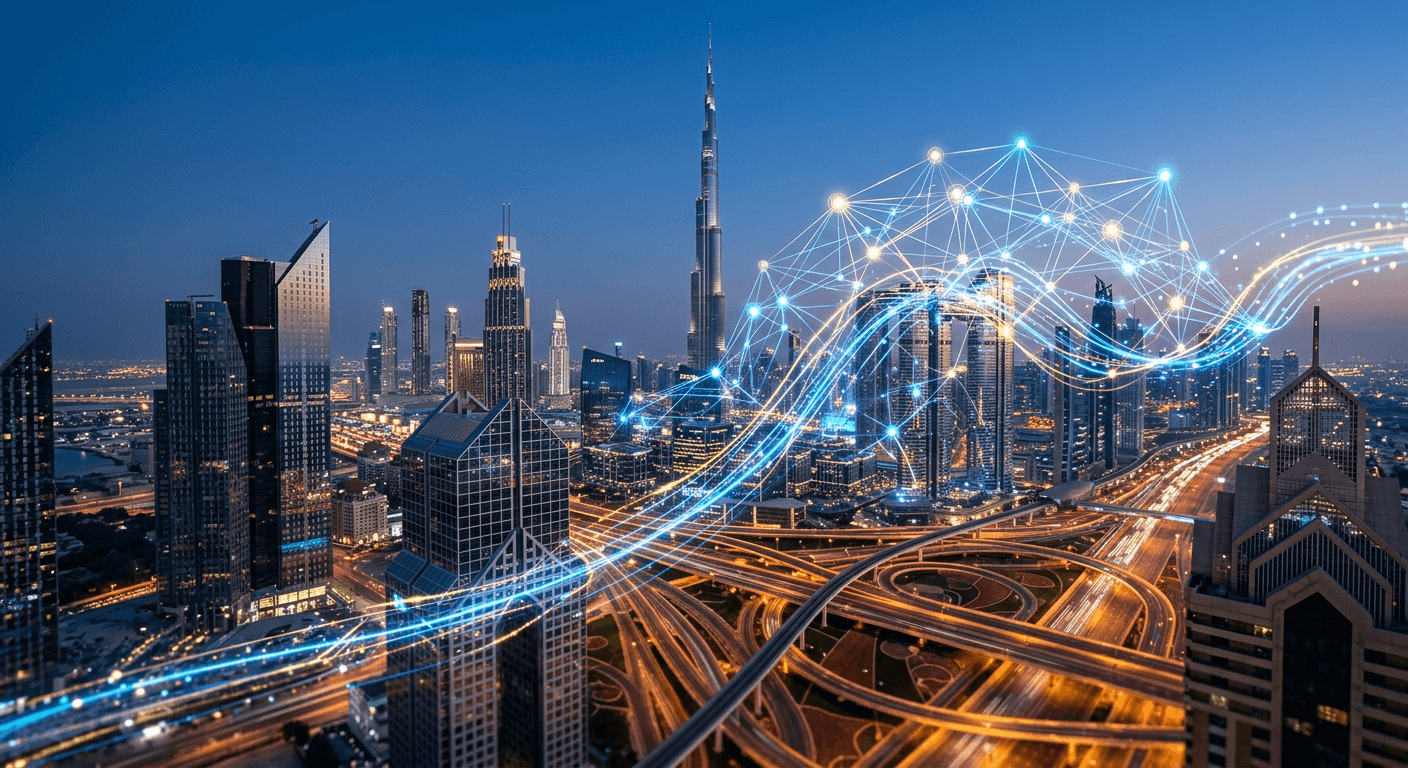
Artificial intelligence acts as the foundational layer for modern digital infrastructure, enabling systems to perform tasks that traditionally required human cognitive functions. By leveraging vast datasets and complex algorithms, these systems can identify patterns, make predictive decisions, and automate intricate workflows with a level of speed and accuracy that manual oversight cannot match.

Quick Summary
Artificial intelligence (AI) is the development of computer systems capable of performing tasks requiring human intelligence, such as visual perception, speech recognition, and decision-making.
- AI systems utilize machine learning to improve performance through data exposure.
- It enables automation of complex, repetitive business processes.
- Predictive analytics allow organizations to forecast market trends and consumer behaviors.
Table of Contents
- Foundations of Machine Learning
- Neural Networks and Deep Learning
- Natural Language Processing in Commerce
- Strategic Application in UAE Markets
- Security and Ethical Governance
- Comparison of AI Processing Approaches
- FAQ
- Recommended Reads
Foundations of Machine Learning
Machine learning serves as the primary engine powering modern artificial intelligence. At its core, it involves training algorithms to recognize patterns within structured or unstructured data. Unlike traditional programming, where a developer explicitly defines rules for every outcome, machine learning systems refine their own decision-making processes as they encounter more information.
Supervised learning, unsupervised learning, and reinforcement learning represent the three fundamental categories of this discipline. Supervised learning utilizes labeled datasets to guide the model toward a specific output, while unsupervised learning allows the algorithm to find hidden structures independently. In the context of the GCC region, businesses often use these models to refine local search marketing strategies by analyzing consumer interaction data to predict future traffic flows.
Neural Networks and Deep Learning
Deep learning is an advanced subset of machine learning that utilizes artificial neural networks with many layers, known as deep neural networks. These architectures are inspired by the biological structure of the human brain, where nodes (neurons) communicate through connections (synapses). By stacking these layers, computers can solve highly abstract problems, such as identifying complex nuances in image data or generating contextually aware text.
These networks are essential for modern AI applications that require massive computational power. Through edge computing, businesses can process these models locally or near the data source to minimize latency. Achieving sub-50ms latency is crucial for real-time applications, ensuring that the responsiveness of an AI interface matches the speed of the user's requirements.
Natural Language Processing in Commerce
Natural Language Processing (NLP) enables machines to understand, interpret, and respond to human language. Modern implementations allow AI brand agents to operate 24/7, providing consistent service and lead conversion without human intervention. By analyzing intent and sentiment, these agents can filter inquiries and direct users to specific business outcomes.
Integration with existing content pipelines allows businesses to scale their output exponentially. An AI-driven approach to content production can generate high-quality, relevant articles that are optimized for AI search citations, ensuring that visibility remains consistent across different platforms and search engines.
Pro Tip: When deploying conversational agents, ensure the underlying model is trained on domain-specific datasets rather than general-purpose inputs to minimize hallucinated responses and maintain brand accuracy.
Strategic Application in UAE Markets
Applying AI within the UAE requires a deep understanding of regional search patterns and specific linguistic nuances. AI platforms designed for local search marketing must account for the multi-cultural demographic of the GCC region, ensuring that content and interaction strategies align with local preferences. Through hyper-local intent mapping, businesses can position themselves as authorities within their specific neighborhoods or emirates.
Effective implementation requires more than just software; it requires a robust technical foundation. Utilizing AI SEO automation allows agencies to maintain competitive advantages by constantly refreshing their search strategy based on real-time competitor intelligence. This approach shifts the focus from manual maintenance to strategic growth, allowing for agile responses to changing market conditions.
Security and Ethical Governance
As businesses integrate AI deeper into their workflows, security and compliance become paramount. Protecting against negative SEO - where competitors attempt to manipulate search rankings to damage a brand's reputation - is a critical component of modern digital infrastructure. This involves real-time monitoring and defensive mechanisms that identify and neutralize malicious link-building attempts.
Furthermore, adherence to international standards like SOC2 Type II ensures that data handling and security protocols meet rigorous corporate expectations. Organizations must maintain full control over their digital footprint, ensuring that automated systems function within defined regulatory and ethical boundaries. This level of oversight provides the necessary peace of mind for enterprises managing high-stakes digital assets.
Comparison of AI Processing Approaches
| Feature | Traditional Automation | Deep Learning AI | Hybrid Edge AI |
|---|---|---|---|
| Decision Making | Hard-coded rules | Pattern recognition | Optimized predictive logic |
| Scalability | Manual overhead | High | Extreme |
| Latency | High | Variable | Low (sub-50ms) |
| Primary Use Case | Simple workflows | Content/NLP | Real-time analysis |
FAQ
How does AI differ from traditional software?
Traditional software follows rigid, human-defined rules. AI utilizes models that learn and adapt based on incoming data, allowing it to handle ambiguity and complexity that static code cannot.
Can AI replace human expertise in marketing?
AI acts as a force multiplier for human expertise by automating repetitive data analysis and content tasks, but human oversight remains essential for high-level strategy and creative direction.
What is negative SEO protection?
It is a security practice that monitors for malicious backlink profiles or spam attacks directed at a domain, allowing businesses to proactively block or neutralize these threats to maintain search rankings.
Why is latency important in AI applications?
High latency creates friction in user interactions. In digital commerce, a sub-50ms response time is necessary to ensure that AI agents or recommendation engines feel instantaneous and reliable to the end user.